Koo Janzen • December 29, 2025
Camp Corve badge with teepee, campfire, and lake view.
Tips for writing great posts that increase your site traffic

Share this article

Write about something you know. If you don’t know much about a specific topic that will interest your readers, invite an expert to write about it.

Speak to your audience

You know your audience better than anyone else, so keep them in mind as you write your blog posts. Write about things they care about. If you have a company Facebook page, look here to find topics to write about


Take a few moments to plan your post

Once you have a great idea for a post, write the first draft. Some people like to start with the title and then work on the paragraphs. Other people like to start with subtitles and go from there. Choose the method that works for you.


Don’t forget to add images

Be sure to include a few high-quality images in your blog. Images break up the text and make it more readable. They can also convey emotions or ideas that are hard to put into words.


Edit carefully before posting

Once you’re happy with the text, put it aside for a day or two, and then re-read it. You’ll probably find a few things you want to add, and a couple more that you want to remove. Have a friend or colleague look it over to make sure there are no mistakes. When your post is error-free, set it up in your blog and publish.

Archery target, campfire, teepee, and evergreen tree set in a natural landscape.

Recent Posts

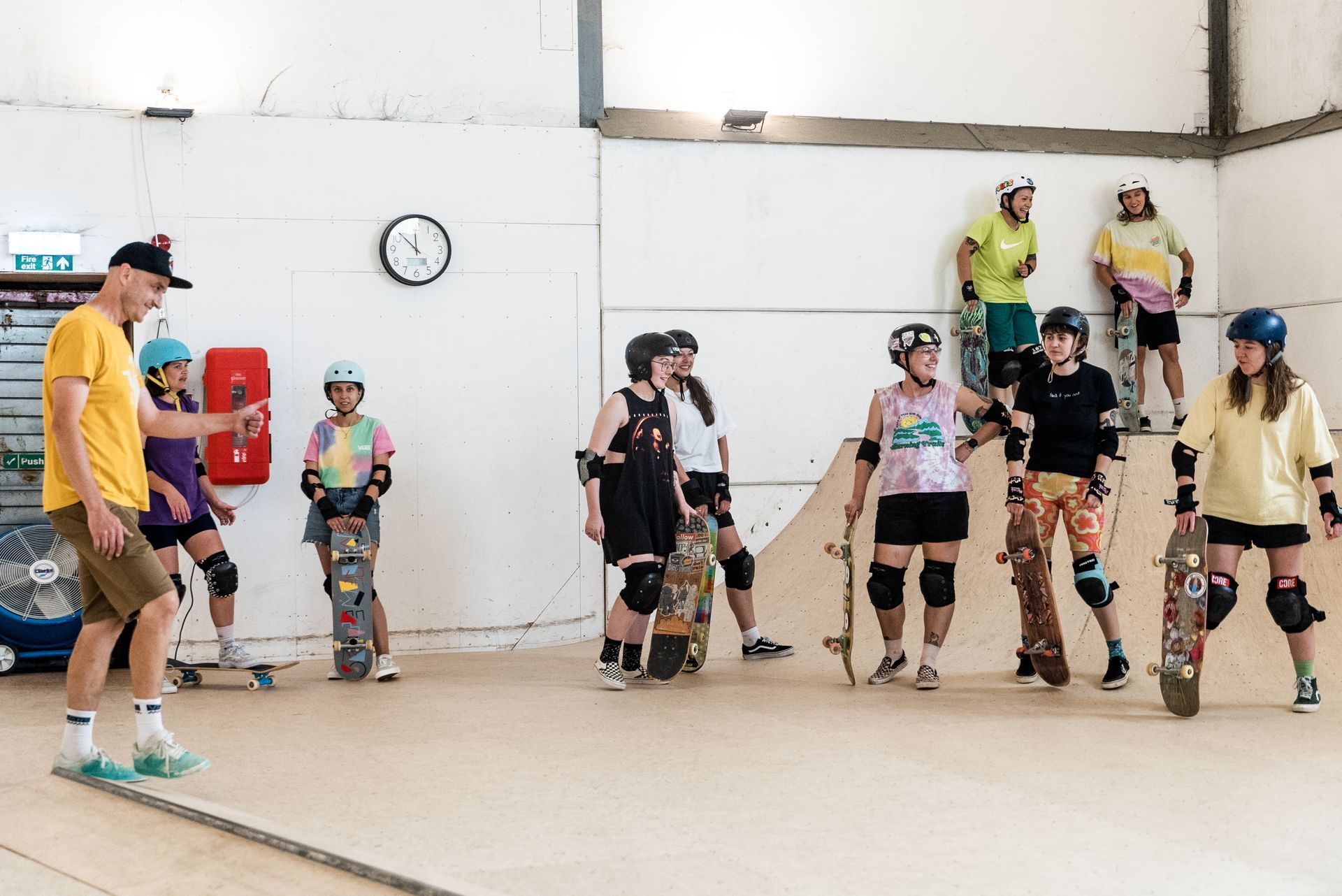
A group of people with skateboards in an indoor skatepark; a man is coaching.
By Hamish Fleming January 7, 2026
Skate, camp and connect at Camp Corve with Canopy Skatepark. Discover skate-and-stay events, family weekends, beginner retreats and creative camps on the Isle of Wight—indoor skating, woodland camping and community vibes rolled into one unforgettable experience for all ages welcome.
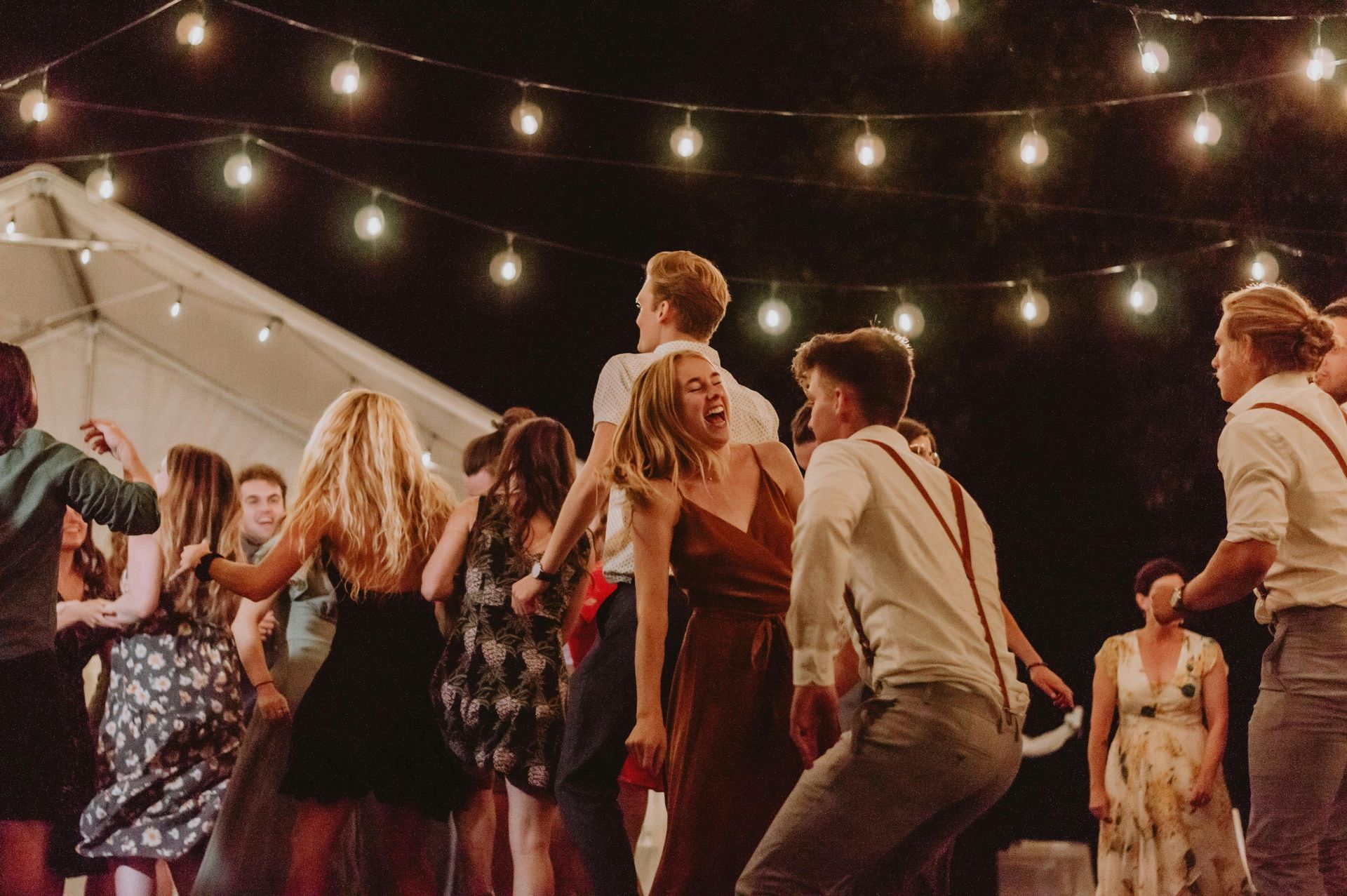
People dancing joyfully under string lights at night.
By Hamish Fleming December 29, 2025
Why build cottages around a courtyard? Camp Corve owner Hamish Fleming shares the thinking behind creating a space for shared meals, group stays and slow moments — and why the spaces between buildings matter just as much as the rooms themselves.